
Start with the measure being displayed
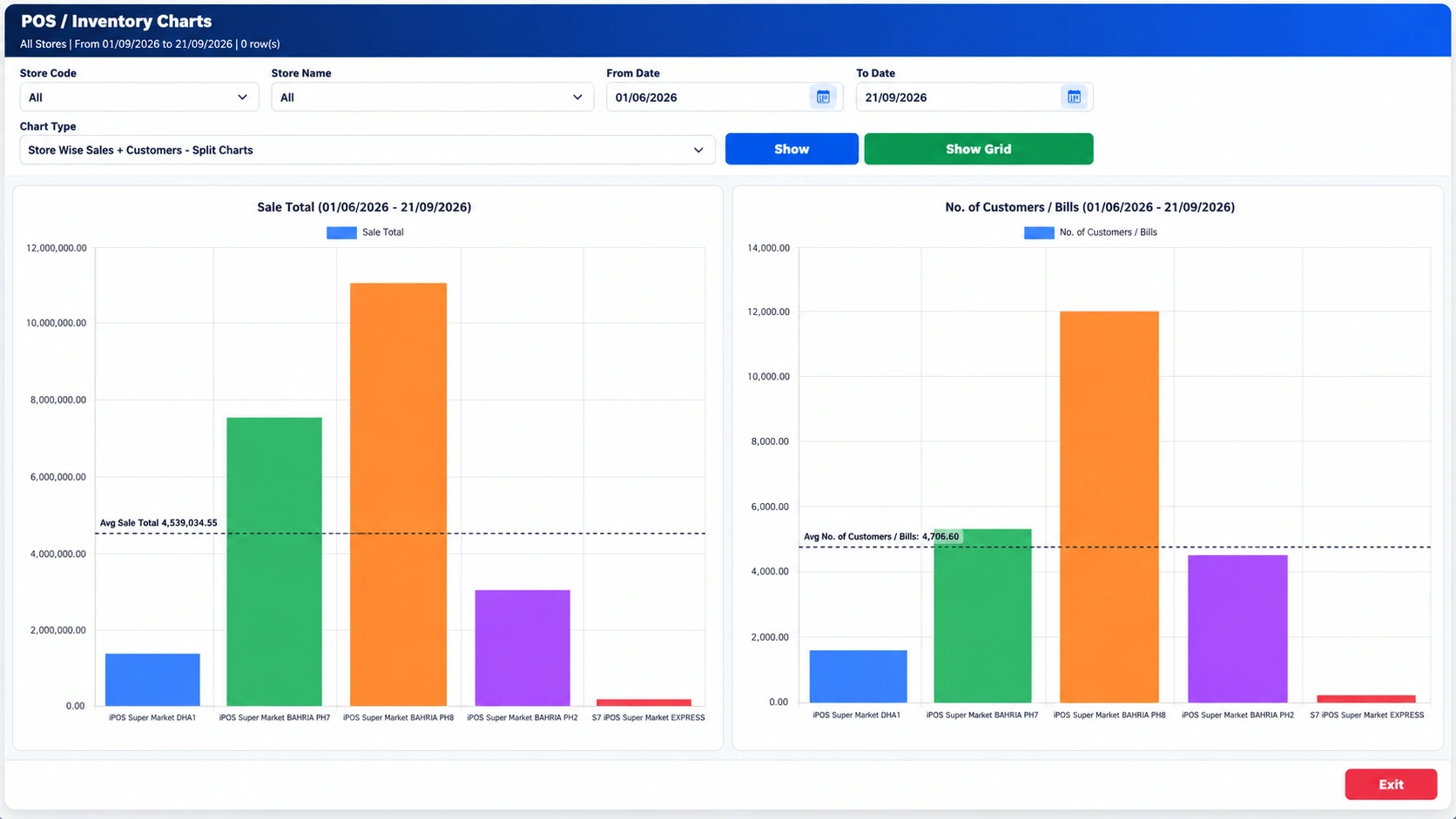
A management screen may place sales, tax, gross margin, refunds and other values next to one another. Each label matters. Infinity’s supplied overview shows several of these measures together. Before comparing stores, confirm the period, tax treatment and report definition in the configured system. A familiar label is not a reason to skip understanding what the report includes.
Keep gross profit and margin percentage distinct
In a simple illustrative example, sales of 1,000 and a corresponding cost of 700 give a gross profit of 300. Dividing that gross profit by sales gives a thirty percent gross margin. Actual application results depend on the selected sales and cost definitions, returns and other report rules. Use the formula guidance or implementation discussion to confirm the calculation rather than applying the example blindly.
Do not confuse margin with markup
Using the same illustrative figures, the 300 difference divided by the 700 cost gives a different percentage from dividing by sales. This is why a markup and a margin should not be treated as interchangeable. Infinity’s reporting scope includes profitability analysis, and its ratios interface describes multiple measures. Always read the measure name and confirm its denominator before deciding that two reports disagree.
Bring operating expenses into the discussion
Gross profit does not include every cost of running the business. Rent, salaries and other recorded operating expenses affect a broader profit review. Infinity includes expense monitoring, operating-expense analysis and profit-and-loss reporting. The records need to be complete for the selected period. A profitable-looking product or branch can still require a more detailed financial review.
Investigate the mix behind a change
A margin change may be associated with prices, supplier costs, discounts, returns or the mix of items sold. Compare item-wise, category-wise and store-wise information before assuming a cause. Infinity provides those reporting dimensions and price-history controls. This guide is intended to improve report-reading questions, not to replace professional accounting review or prescribe a business decision.
Your practical checklist
- Confirm period and report definitions.
- Separate absolute gross profit from percentages.
- Check whether a percentage uses sales or cost as its denominator.
- Review operating expenses before discussing net profitability.
Common questions
Are gross margin and markup the same?
No. They use different denominators, so the percentages can differ for the same sale.
Can a sales dashboard replace a full profit-and-loss review?
No. Review costs, operating expenses and the relevant financial records as well.
Product scope is based on the supplied Infinity specification. Confirm modules, hardware compatibility and implementation responsibilities for your own setup. This guide does not make a competitor ranking or promise a business result.