
Restaurant Tables, Waiters and Access Controls
Test restaurant table transfers, shared terminals, waiter handoffs and supervisor approvals so service responsibility stays clear through order changes and settlement.
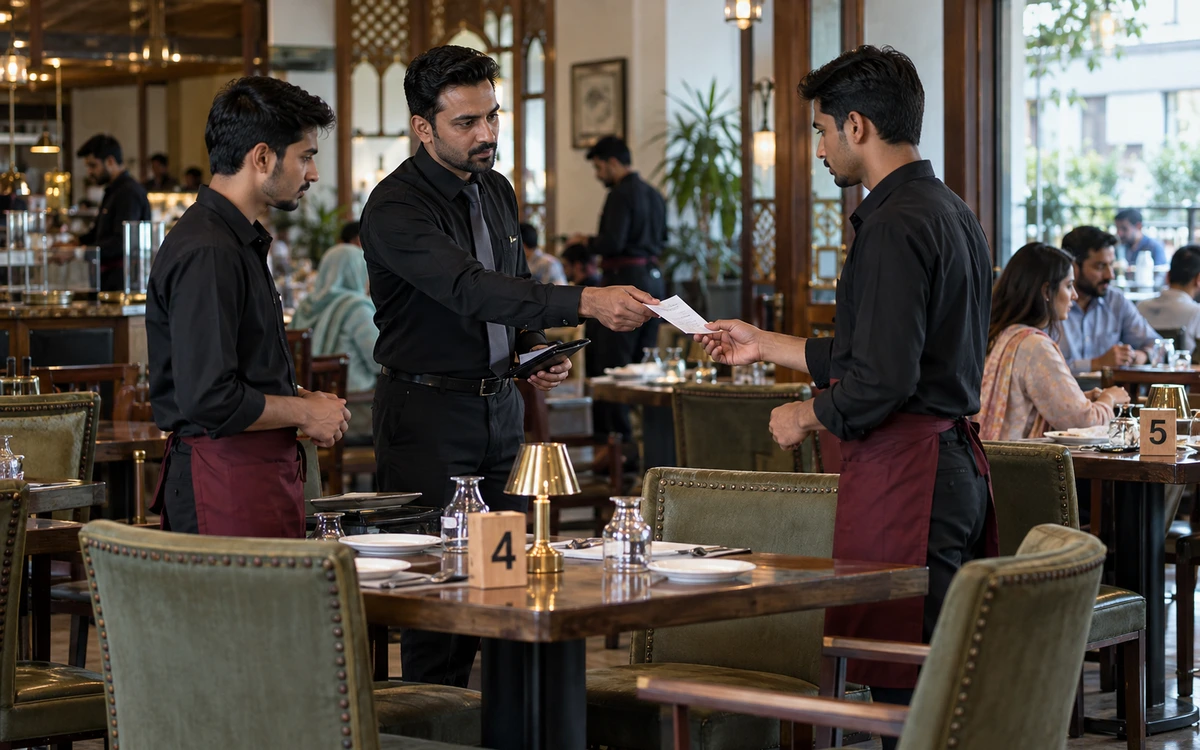
Keep service responsibility clear.
Choose a stage to explore the practical checks.
Map the roles used during service
List the tasks performed by waiters, cashiers, kitchen staff and supervisors. Identify which devices are shared and how a person begins or ends responsibility for a session. Do not assume that the business's job titles map automatically to predefined software roles. The implementation discussion should connect each required action with an authorised role, while keeping the process practical enough for staff to use during a busy service.
Read this part of the guideTest moving an order between tables
Create a representative order, move it to another table and inspect what changes in the service and preparation records. Include a destination table that already has activity if your operation needs that situation handled. Ask the provider to demonstrate the exact supported method. The team should understand whether orders are merged, reassigned or handled another way, and what a reviewer can see afterwards. Avoid leaving staff to interpret several superficially similar transfer buttons.
Read this part of the guideRehearse a waiter handoff
Use a shift change or service-area change in which one waiter takes responsibility from another. Check the information the incoming person needs and the record retained by the proposed workflow. If the business needs staff-related sales reporting, confirm how the handoff affects that report and which assumptions it uses. An order's current owner and the person who originally entered an item may describe different things. Make the intended interpretation explicit.
Read this part of the guideA restaurant order can pass through several people before it is settled. Table ownership, shared devices and supervisor actions can become confusing unless the operating process is clear. Evaluate the proposed iPOS restaurant configuration using handoffs and corrections as well as ordinary ordering, and confirm which devices and modules are included.
Map the roles used during service
List the tasks performed by waiters, cashiers, kitchen staff and supervisors. Identify which devices are shared and how a person begins or ends responsibility for a session. Do not assume that the business's job titles map automatically to predefined software roles. The implementation discussion should connect each required action with an authorised role, while keeping the process practical enough for staff to use during a busy service.
Test moving an order between tables
Create a representative order, move it to another table and inspect what changes in the service and preparation records. Include a destination table that already has activity if your operation needs that situation handled. Ask the provider to demonstrate the exact supported method. The team should understand whether orders are merged, reassigned or handled another way, and what a reviewer can see afterwards. Avoid leaving staff to interpret several superficially similar transfer buttons.
Rehearse a waiter handoff
Use a shift change or service-area change in which one waiter takes responsibility from another. Check the information the incoming person needs and the record retained by the proposed workflow. If the business needs staff-related sales reporting, confirm how the handoff affects that report and which assumptions it uses. An order's current owner and the person who originally entered an item may describe different things. Make the intended interpretation explicit.
Review shared-terminal behaviour
Demonstrate the process on the intended devices with the actual session and access arrangements proposed. Ask how staff recognise the active user and how they prevent an action being attributed to the wrong person. Include an interrupted session and the normal method of returning to work. The goal is an understandable operating routine, rather than a security control that staff regularly bypass because it is impractical. Keep any device or network dependency in the acceptance record.
Control sensitive actions at the right point
Decide which discounts, cancellations, reopened bills or payment corrections require a supervisor. Test an allowed action and an attempted unauthorised one. Review the record of approval and the explanation available to management. A supervisor should not have to share a personal account simply to keep service moving. Ask the provider to show the supported approval process for the exact configuration instead of assuming that a broad permissions list proves the required restaurant workflow.
Train with a complete service rehearsal
Run a short sequence containing a table move, waiter handoff, order change and final settlement. Have the relevant staff perform their own steps. Review any confusion before launch and retain the accepted sequence for future training. Link the rehearsal with split-bill testing so service, kitchen communication and cashier settlement are evaluated together. Record any unsupported requirement and its agreed treatment before approving the proposed setup.
Useful next steps
Invite a waiter, cashier and supervisor to the iPOS demonstration and give them one realistic service handoff to complete together. Discuss your requirements with iPOS.
More from Insights

Owner Mobile Apps for Connected POS and ERP Management
Connect owner decisions with iPOS Web POS, Infinity ERP and mobile access. Evaluate branch context, exceptions, permissions and useful management workflow…

Customer Mobile Apps for Stronger Retail Relationships
Plan a useful iPOS customer mobile app around real customer journeys, clear records and consistent service, with owner and customer responsibilities kept…

Ecommerce Stores, iPOS Web POS and Infinity ERP
Plan an ecommerce store alongside iPOS Web POS and Infinity ERP, with clear ownership of products, stock, orders, fulfilment and customer-facing informati…