
Home Delivery: Connect the Store, Dispatcher and Customer
Retail home delivery needs a clear path from order acceptance to preparation, dispatch, completion and the intended payment record. iPOS can scope delivery-counter, application and integration requirements around that workflow without assuming every delivery function is included in a basic POS package.
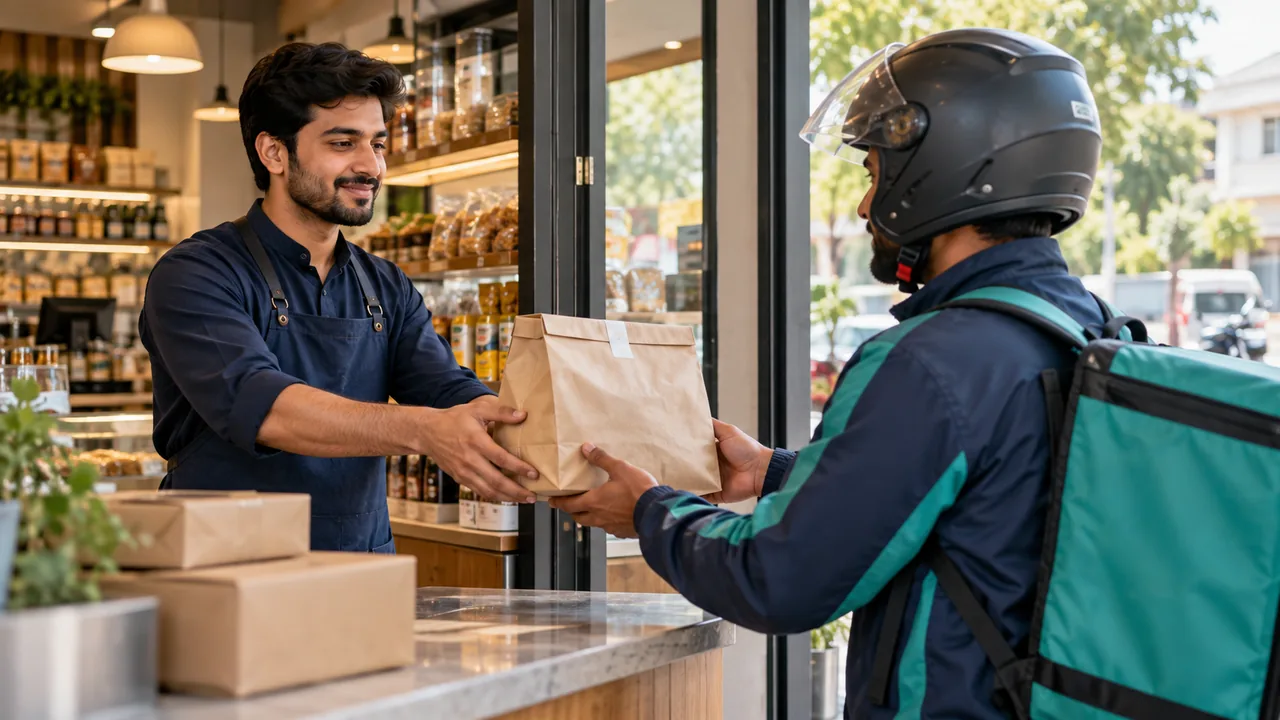
AI-generated editorial illustration.
Define the customer promise
Specify how an order is received, when availability is checked and when the business confirms it. Decide what information is needed for fulfilment and who owns customer communication. A request, reservation and completed sale may represent different stages. Staff should know which action commits goods or money rather than using a convenient screen action whose commercial meaning is unclear.
Make the dispatch handoff explicit
Identify who prepares the order, checks its contents, assigns the delivery and passes on the necessary instructions. Test a partial order, changed contact instruction and delayed departure. If driver apps, mapping or tracking are required, include their dependencies and responsibilities in the proposal. The operational handoff matters as much as the appearance of the customer status message.
Reconcile completion and exceptions
Decide how failed attempts, cancellations, returns and cash collection affect the intended records. Keep a traceable relationship between the order, goods and payment. Ask the implementation team to demonstrate unresolved work and the next responsible person. A professional delivery process should make exceptions visible rather than allowing an apparently completed order to hide an uncollected payment or unreturned item.
A practical scenario
A store accepts an order for several household products but one item becomes unavailable before dispatch. Staff follow the agreed substitution or partial-fulfilment process, update the customer promise and reconcile the final payment. The example tests the whole journey rather than only whether an order can be entered.
Demonstration and acceptance checklist
| Action to demonstrate | Evidence to inspect |
|---|---|
| Accept a sample order | The confirmation stage is unambiguous |
| Prepare and check the goods | Contents match the agreed fulfilment |
| Record a failed attempt | The next action has an owner |
| Reconcile payment and returns | Commercial records follow the final outcome |
Questions buyers ask
Are mobile apps necessary for every delivery service?
Not always. Scope the workflow and volume first, then select the appropriate delivery-counter, app or integration functions.
Does dispatching an order prove delivery is complete?
No. Define the completion event and the evidence or staff confirmation required by the business.
Related guides
- Walk-In Customers: Useful Information Without Slowing Checkout
- Order Desk and Payment Desk: Keep Responsibilities Clear
- Chain-Store Stock Optimization: Balance Availability Across Branches
Compare the iPOS product range or contact iPOS about your requirements.
More from Insights

Promotion Bundles: Price, Stock and Return Controls
A promotion bundle should have a clear commercial rule and an understandable effect on stock, payment and returns. Ask iPOS to demonstrate the required pr…

Quantity Discounts: Test the Threshold, Unit and Margin
Quantity discounts should identify the eligible unit, threshold and price rule. A useful iPOS demonstration tests the values immediately below, at and abo…

Customer-Specific Pricing Without Uncontrolled Overrides
Customer-specific pricing should apply an agreed commercial arrangement to an identifiable customer without giving every operator unrestricted price contr…